It’s estimated that one in three pets will go missing in their lifetime. When a pet goes missing, every second counts to get them back to their families. Microchips can be the difference needed to reconnect families with their lost pets.
Emancipet’s Pet Wellness Day Event in Houston is around the corner, and so is the opportunity to administer microchips to hundreds of pets. Before you pull up for this drive-thru event, here’s everything you need to know about microchips.
What are microchips and why are they important?
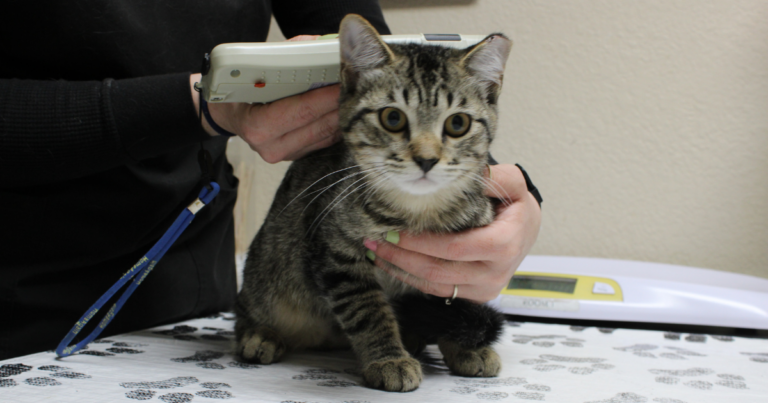
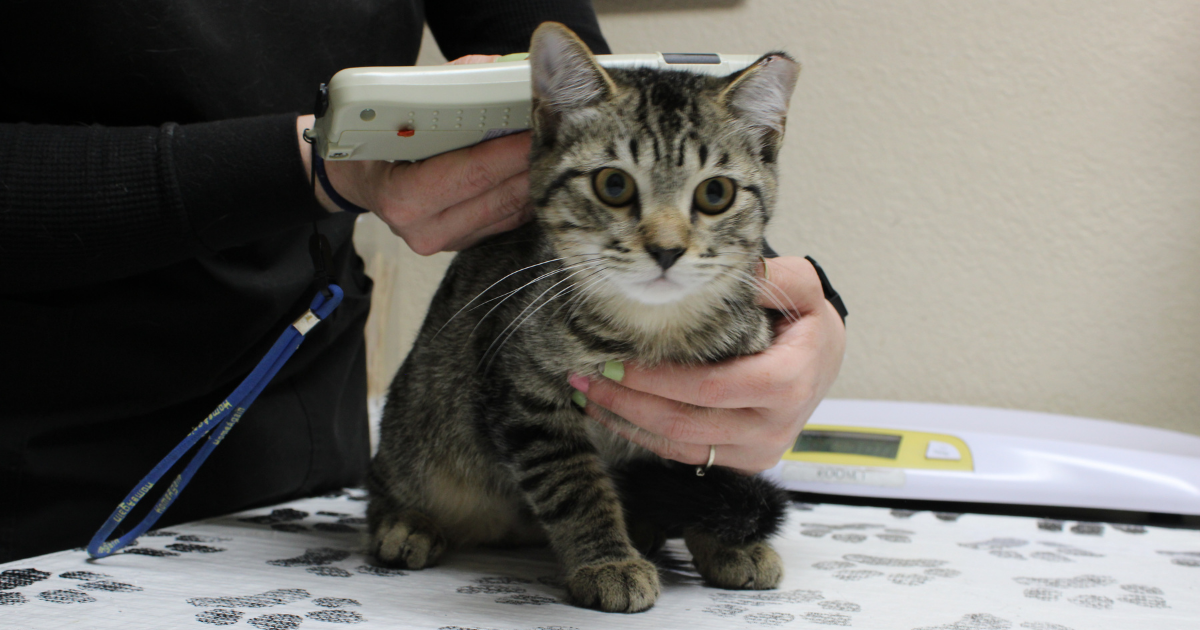
Microchips, a small device about the size of a grain of rice inserted below the skin in the scruff of your pet’s neck, are a form of pet identification that can help reunite lost pets with their owners. Once inserted, the pet parent updates their information onto an online database utilizing the microchip’s number. When a missing pet is found, a specific type of reader is used to find the pet owner’s contact information and help reunite them. Microchip companies do not give out your personal information, and they do not “track” your pet. Instead, when someone calls to report a found pet, the microchip company will reach out to you directly to help reunite you with your animal.
How do I know if my pet’s microchip is registered?
You can check if your pet’s chip is registered by utilizing AAHA’s pet microchip lookup tool. This registry tool is only for pet owners to determine if/where a chip is registered; pet owners need to update information through the provider a pet’s chip is registered with.
What information is seen when the microchip is scanned?
It’s important to remember that a microchip is not a GPS tracker like a tile or an air tag. If a pet is missing, someone has to find your pet and scan them in order for you to be contacted and reunited.
When a chip is scanned, the microchip ID number is the only thing that is displayed. That ID number will allow the person, shelter, or vet clinic scanning your pet to reach out to the registry and report your pet as “found.” The microchip registry will then either provide your contact information to the veterinarian or shelter, or they will reach out directly to let you know that your pet has been found.
Do microchips expire?
Nope! While every chip comes in a package with an expiration date, microchips already inserted into the pet never expire. The expiration date on the package tells the shelter or clinic how long the package will remain sterile, so if the chip is planted before that date, it will stay safe and sterile for your pet. A microchip might migrate to a different location under the skin as your pet ages, which is why a shelter or clinic will scan the entire pet when looking for a chip.
In extremely rare cases, the chip may come out or stop working at some point after placement. For this reason, at every vet visit, your pet should be scanned for a chip to ensure that it is still present and working!
Does registration cost anything?
Nope! While there may be an initial cost to the microchip insertion, depending on where you get it placed, registration is free with all major chip registries. Some registries do offer paid “premium” accounts, which give you access to additional features and services, but registering and updating your contact information is free.
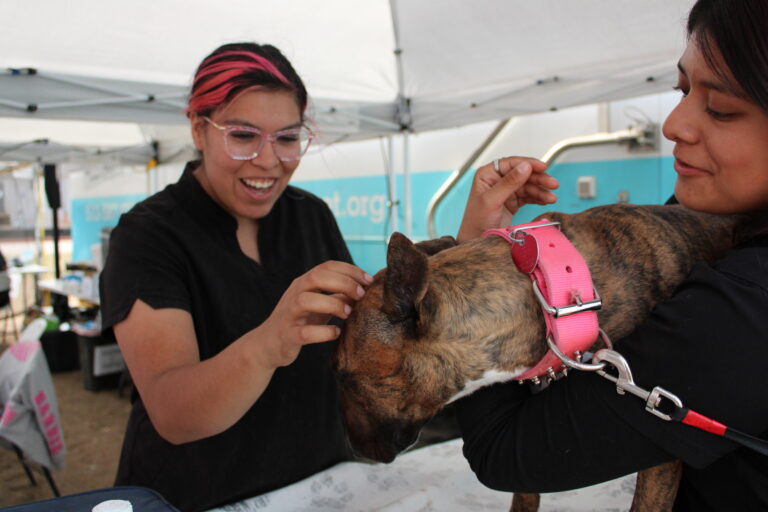
If you live in Houston, Emancipet is offering a free Pet Wellness Day where you can drive-thru for free microchipping services for cats and dogs, as well as vaccines, in partnership with the City of Houston’s BARC Animal Shelter and Adoptions. The event will take place on Saturday, April 19, 2026.
Thank you to our sponsors for their support!