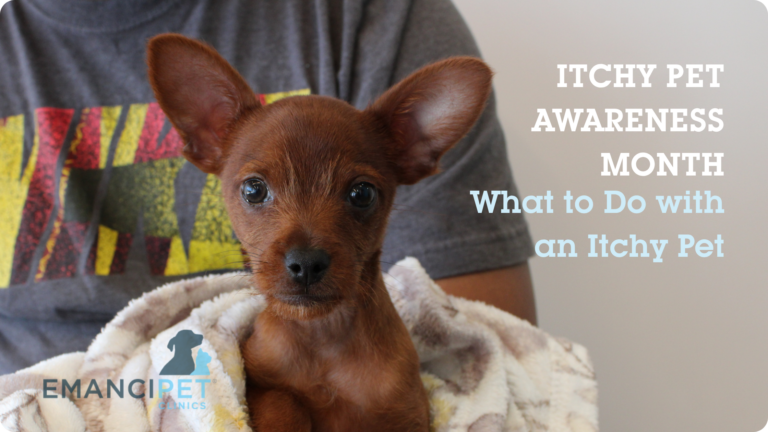
If you look over and notice your pet itching a little more than usual, don’t panic! Many causes of itchiness are treatable with simple steps under the direction of your veterinarian. From allergies to bug bites to just plain boredom, we’re going to walk through what to keep an eye out for and what to do to provide your pet with the care they need.
Fleas, ticks, and mites. Oh my!
Some of the most common reasons for constant scratching are fleas and mites. Keep an eye out for these pests as they can come with the risk of diseases, pet hair loss, and can even spread to the people that care for them. For these pests, prevention is key! You can help your pet stay flea and tick free with a $20 office visit with a veterinarian at Emancipet, and pick up a monthly dose of preventative for both cats and dogs priced from $7 to $22. The good news is, most flea and tick preventives also kill mites, so you don’t always need to know which one your pet has in order to treat it effectively.
Fleas, Ticks, Mites – Keep an Eye Out For:
- Small black granules in your pet’s fur, often called “flea dirt”
- Live or dead fleas, usually around the belly, tail, or ears
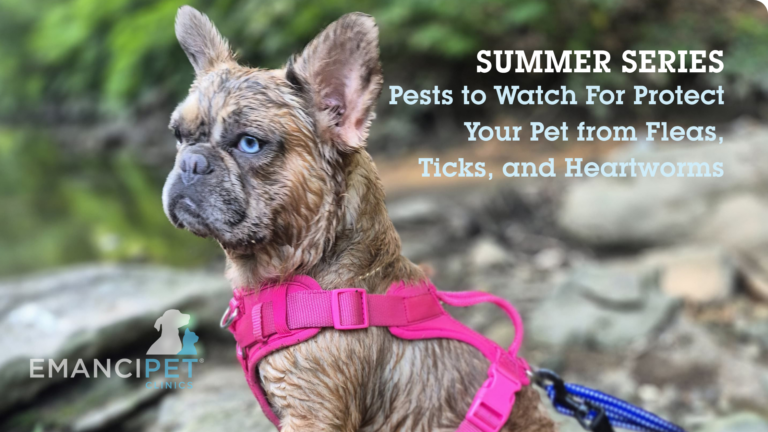
- Learn more about the pests to look out for on our blog, Summer Series: Pests to Watch For Protect Your Pet from Fleas, Ticks, and Heartworms
- For ear mites, smell your pet’s ears for a funky odor and look for coffee ground-like dirt, redness, brown waxy buildup, or swelling. They might also have hair loss on the outside of their ear from all of the scratching!
Texas, keep an eye out for Screwworms! New World screwworm is the larval stage of a fly that lays eggs in open wounds, surgical sites, or natural body openings. When the eggs hatch, the larvae feed on living tissue rather than dead tissue, which makes these infestations especially dangerous. Without fast treatment, they can cause severe pain, deep tissue damage, secondary infection, and in some cases become life-threatening.
Keep an eye out for the warning signs of New World Screwworm:
- A wound that suddenly gets larger, wetter, or more painful instead of healing
- A foul odor coming from a wound or irritated area
- Visible larvae or movement in the wound
- Excessive licking, scratching, head shaking, or signs of discomfort
- Fever, lethargy, loss of appetite, or unusual agitation
Read our article on New World Screwworms to stay informed about the warning signs and what to do if you suspect your pet has been infected.
Getting to the Bottom of an itchy butt
If you’ve ever caught your dog or cat biting or scooching their bottom across the ground, you might want to keep an eye out for anal gland issues.
Let’s back up a bit–dogs and cats will ordinarily empty two glands in their rear end each time they poop. This helps our pet mark their territory, using smell as a “sign” that this is their turf. This is a big reason why dogs sniff each other’s butts!
But sometimes, more frequently with dogs, their anal glands don’t function as they should and they need a little extra help to empty them. Stopped-up anal glands can lead to major infection and pain for your pet, so while it is a stinky process to express anal glands, it’s sometimes a necessary one! Don’t be afraid to ask your vet to check your pets anal glands during your next visit if you notice extra scooting. Emancipet’s veterinarians can treat the condition with a simple wellness check and have your pet feeling better in no time.
For worms or glands, look out for:
- Frequent bum chewing or licking- there might be an odor like rotten fish after licking, which is from partial expression of the anal glands
- Scooting across the floor, grass, or furniture to scratch their bottom
The Impact of Allergies on Our Pets
Did you know that allergies actually affect anywhere from 10 to 20% of the world’s population of cats and dogs? Just like humans, seasonal and environmental allergies can be felt by our pets. But unlike humans, diagnosing allergies tends to be more complicated in our pets as it is difficult to tell what is causing your pet’s allergic reaction since pets can’t verbalize their symptoms.
The first step to diagnosing allergies in pets is eliminating the “easy” cause of itchiness- fleas! If you notice your pet itching and scratching, flea prevention will be the most likely first recommendation from any veterinarian, and for some pets, that is all they need.
However, a visit to a full-service veterinarian can help you figure out what allergies your pet might have based on their diet, behavioral habits, and environment. From there, they can prescribe diet changes and medications to rule out what is making your pet itch.
The key to treating allergy issues is to get your pet to the vet before they start scratching their skin raw. Once the skin is broken, infection can take over, making the problem not only more painful for your pet, but also more expensive to treat.
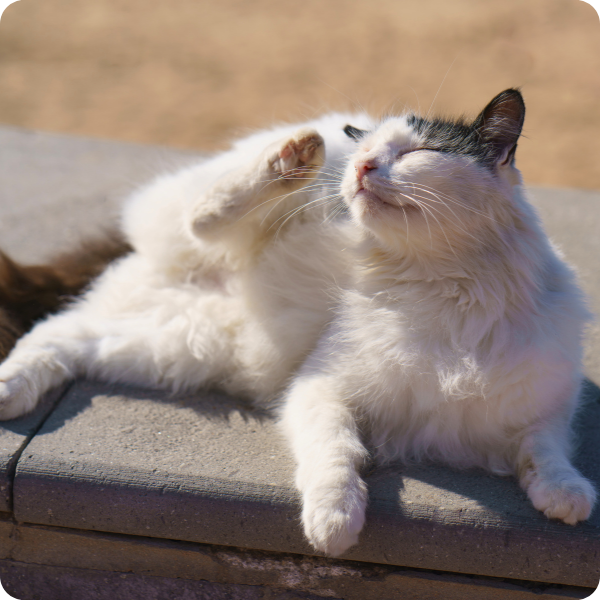
Before you book that appointment with your full service vet, be sure to:
- Ask if they treat skin issues like allergies
- Be prepared to describe your pet’s symptoms including where they are itching, how severe the scratching is, how long it has been happening, and any at-home treatment that you’ve already attempted.
- Consider starting your pet on flea prevention before their vet visit so that you have eliminated one possible cause of the itching. Emancipet can help with this!
For allergies, look out for:
- Sleepless nights from chewing or scratching their skin
- Constant licking, chewing, scratching, or rubbing eyes
- A red belly, ears, paws or between toes, red eyes
- Swelling in any of those areas
- Seasonal or environmental patterns
Hot Spots and Dry Skin
Hot spots are small, usually bald, irritated, and inflamed patches of skin on your pet. They typically turn up on a pet’s head, hips, paws, or chest, and feel wet and hot to the touch – giving them the nickname “hot spots.”
Hot spots are painful and itchy for your pet and can be triggered by a whole host of factors, from skin infections, to allergies, pests, or nervous licking. Your full-service vet can help you diagnose why the hot spot has manifested and give you a strategy on how to soothe and prevent them in the future.
Pets are also susceptible to dry skin, so be on the look out for:
- Flaky skin or dull, brittle fur dehydrated, take them to an emergency vet or your full-service veterinarian right away.
- Bathing too frequently(usually once or twice a month is more than enough!)
- Using harsh soaps like dish soap
- Dry or cold weather
Anxiety Itching
Have you ever been bored or anxious and started tapping your toe or biting your nails without thinking? This same anxiety and boredom happens to your pets, leading to licking, scratching, or chewing becoming an obsessive outlet for them. If you suspect your pet is nervously scratching and you’ve ruled out all potential medical causes, work with your vet and possibly a trainer to reduce whatever is stressing them out. Ensure they have a calm, safe space to chill out and plenty of time with their favorite person if that’s what soothes them. Your pet can’t tell you what’s wrong, so pay close attention to what makes them edgy and do your best to help them cope.
If you think boredom might be the culprit, try changing up their routine by introducing new toys, mental challenges, or taking new routes on walks to engage their brain. Consider adding activities each week (like these fun training tips for your cat) to keep your pet working their brain and body rather than scratching.
Pets with very severe itching from anxiety or boredom might benefit from medications to treat their anxiety. Talk to your full-service veterinarian if you believe your pet is itching from anxiety.
What to Look out for in Behavioral Scratching:
- Obsessive licking, chewing, scratching, or rubbing a spot on the body with no obvious medical cause like fleas or allergies
- The behavior stops when stress is reduced, exercising, or playing
- In dogs, consider if their breed is known to need more activity or attention than most pets, like working breeds or dogs bred for high energy tasks
- For cats and dogs, pay particular attention to sounds, smells, other animals and stressors around the home that can cause anxious scratching
These rules are even more important for pets with short snouts such as bulldogs! These pets have a lower tolerance for the heat than the breeds with longer noses because they cannot pant as efficiently to cool off.
Itching for Solutions beyond Skin Deep
If none of these seem to fit, there could be pain causing the itching and licking. Dogs and cats might lick their skin to try to soothe pain, even if the cause is deep down like sore joints or muscles. This is more common in older pets, who are more likely to have arthritis or other chronic painful conditions.
If you feel like your pet is having joint or muscle pain, make an appointment with your full-service vet for advice.
Body Pain and What To Look For:
- Focused chewing, licking, or tenderness in the joints or a particular muscle
- First check for surface issues, cuts, or bruising
- Look for swelling or feel gently for heat in the muscle or joint. If either are present, get to a full-service vet.
Itching is just one way your pet communicates to you when they are uncomfortable. Our Healthy Pet Services are a good starting point to have that initial conversation about what your pet’s itching could mean. While we cannot treat all causes of itchiness, we can get you started on ruling out the most common and easily treatable causes, and help determine if your pet needs to be seen by a full-service veterinarian.
We know that a typical visit to the vet is out of reach financially for a lot of people. We’re on a mission to change that, and you can help! Every $20 Emancipet raises supports a pet in need of veterinary care.
At Emancipet, pet families can get a nose-to-tail wellness physical exam, affordable essentials like vaccinations and flea and tick medications, access to common surgeries, and guidance on addressing any abnormal findings. You can be a part of their care and donate today to make veterinary care accessible. Thank you for your support.
Learn more about Emancipet’s services and find a clinic near you. Appointments and online booking is available!