When it comes to spay and neuter procedures, ‘low cost’ should never mean ‘lower quality.’
Yet there is a persistent misconception in veterinary medicine that low-cost spay and neuter providers, sometimes referred to as high-quality, high-volume spay/neuter, or HQHVSN, clinics, achieve higher surgical volumes and lower costs by cutting corners on safety.
At reputable clinics, that couldn’t be further from the truth.
Reputable low-cost clinics follow a set of guidelines published by the Association of Shelter Veterinarians, or ASV, which are updated every 10 years to include more recent scientific backing. For the average, healthy pet without pre-existing conditions, these clinics are just as safe or even, in some cases, safer than a traditional veterinary clinic because of the rigorous protocols and highly experienced doctors performing the procedures.
At Emancipet, we want every patient and client to have a safe, efficient and affordable spay and neuter experience. That means safety isn’t a single step in the process. It is built into how we train our teams, monitor outcomes and operate our clinics every day.
Training for consistency and confidence
Veterinarians receive surgical training in veterinary school, but they continue developing their surgical skills throughout their careers.
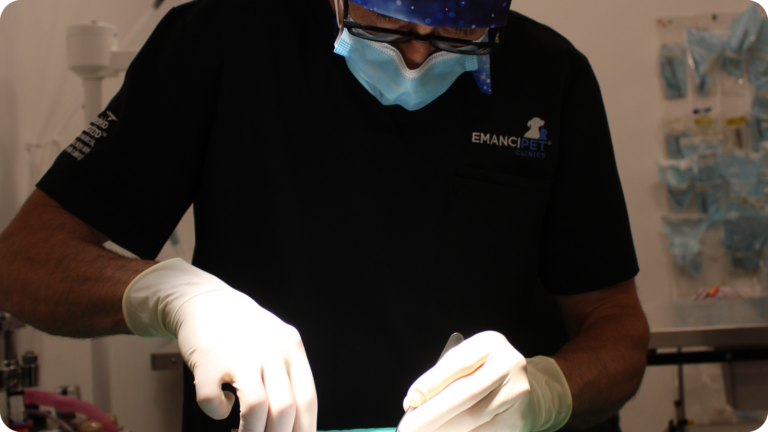
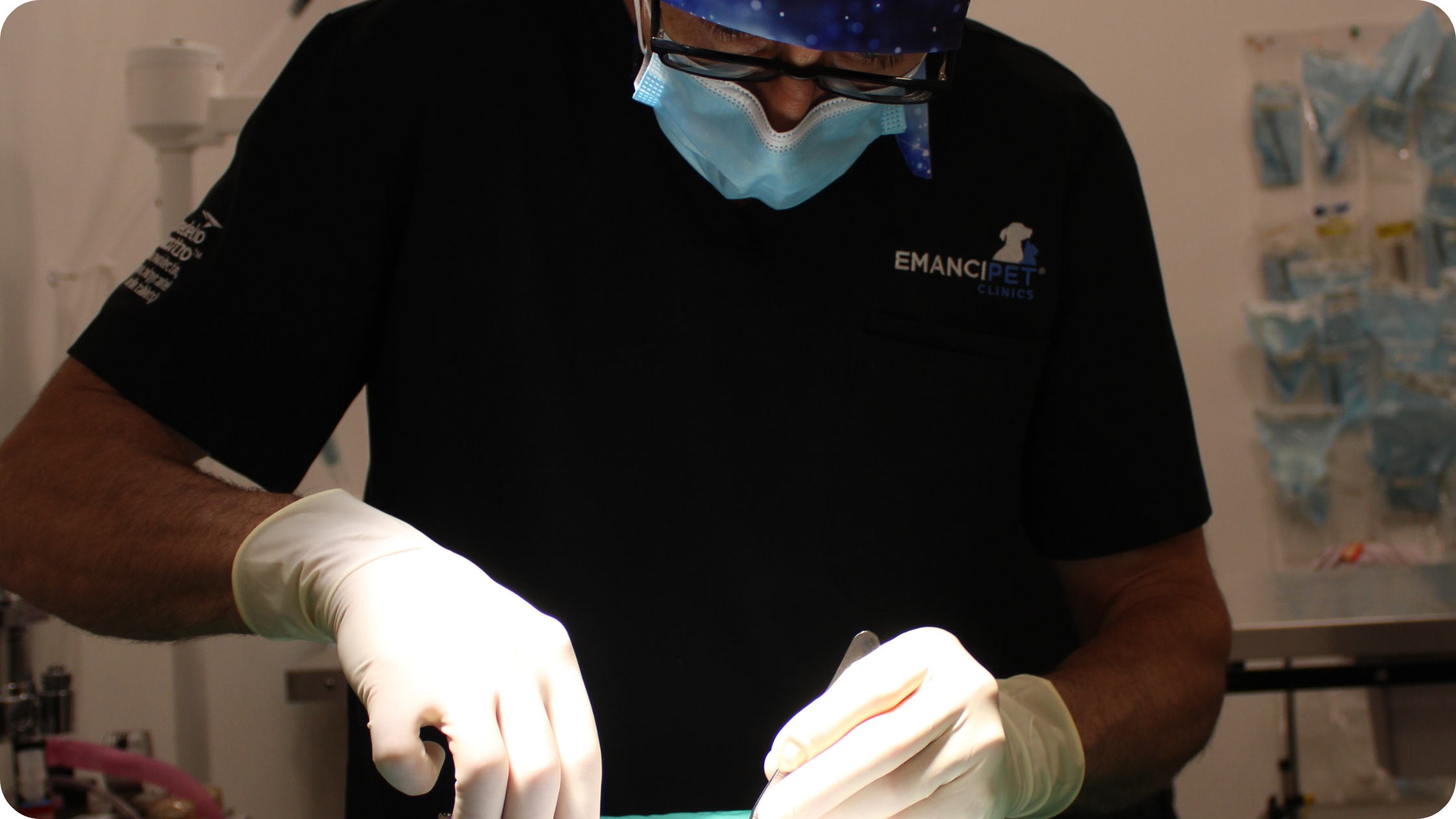
At Emancipet, our high-volume model gives doctors the opportunity to receive personalized one-on-one training sessions with an experienced HQHVSN trainer. During these shifts, surgical procedures are broken down into simple steps so that by the end of their training, they can safely and efficiently perform about 25 surgeries during their 5-hour surgical window. Training covers routine procedures as well as how to recognize, respond to and correct complications that occur.
Our technical staff members also receive a regimented training program to learn the tasks and responsibilities of each role in the clinic. Team members build confidence and competency before they are expected to complete tasks independently.
Using data to improve care
Training doesn’t end when a doctor begins operating independently.
Each month, Emancipet doctors receive reports detailing their efficiency and surgical outcomes. We track measures such as surgeries performed per hour, average capacity filled during each shift and major and minor complication rates.
Major complications include serious concerns that require another surgery or hospitalization, such as internal bleeding or severe infections. Minor complications include concerns like mild incisional infections, irritation, pain, or other things that either require no treatment or outpatient care with oral medications. We also track complications such as stomach upset. While these issues may not be related to surgical technique, they can potentially be influenced by the medications we administer and can help inform decisions about our drug protocols.
Emancipet strives to keep our major complication rate below 0.3%, and our minor complication rate below 2%. When a doctor’s rates are higher than target, we dig deeper into their report to try to understand whether there are any concerning trends or training needs. We then monitor for improvement and continue to follow up on a monthly basis.
Standardized procedures create safer, more predictable care
Every Emancipet clinic operates under the same set of Standardized Operating Procedures, or SOPs. This includes drug dosing charts, scheduling protocols, technical staff training, and the paperwork we fill out for each patient. It also allows trained Emancipet veterinarians to step into another clinic when coverage is needed and work within familiar systems and protocols. That consistency creates greater predictability across our clinics, strengthening communication, efficiency and patient safety.
Putting it all together
No procedure in human or veterinary medicine is entirely without risk. The goal is to understand those risks and build systems that reduce them wherever possible.
For Emancipet, that means standardized protocols, hands-on training, consistent monitoring and regular feedback. Together, those practices help us identify potential problems early, continually improve our processes and provide safe, high-quality spay and neuter care at an affordable price.
High volume and affordability don’t have to come at the expense of safety. With the right training, systems and accountability, they can work together to help more pets receive the care they need.